
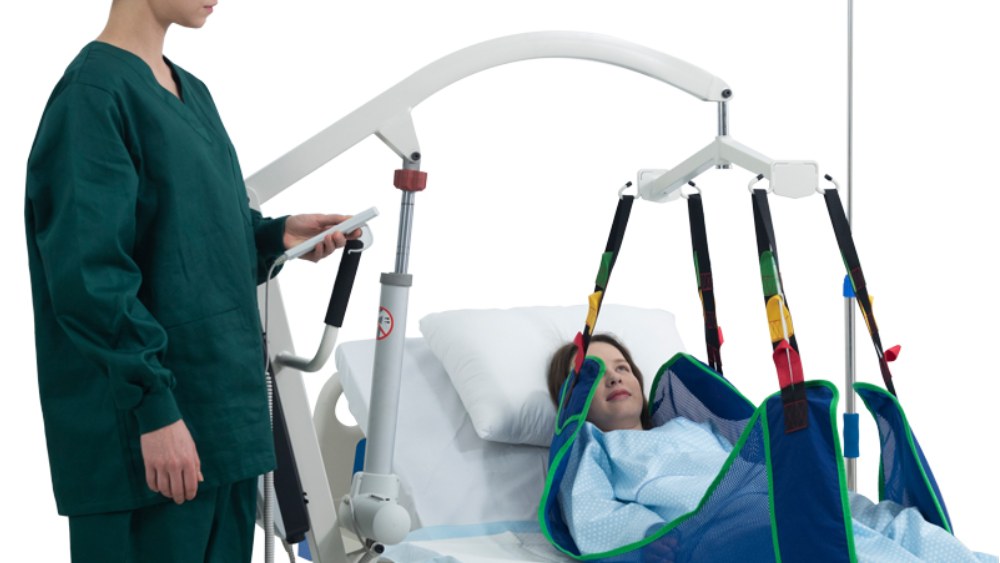
Safe patient transfers are a cornerstone of quality healthcare, yet they remain one of the most physically demanding and risk-prone tasks for caregivers. Without proper equipment and technique, manual lifting can lead to serious musculoskeletal injuries for staff and discomfort or falls for patients. This is where patient lifts and transfer slings come into play—they are not just tools; they are essential investments in safety, dignity, and efficiency. This comprehensive guide will walk you through everything you need to know about patient lifts and slings, from types and selection to step-by-step safe transfer procedures. Whether you are a nurse, therapist, or healthcare administrator, understanding these devices will empower you to protect both your patients and your team.
1. Introduction
Every day, healthcare workers perform thousands of patient transfers—moving individuals from bed to wheelchair, stretcher to exam table, or chair to commode. When done manually, these transfers exert forces far beyond safe limits, especially for patients with limited mobility, high weight, or complex medical needs. Patient lifts and transfer slings are mechanical solutions that reduce physical strain, minimize injury risk, and preserve patient dignity. By using the right device for the right situation, caregivers can transform a high-risk task into a smooth, controlled process. This guide will cover the main types of lifts and slings, their benefits, step-by-step transfer protocols, and essential safety tips.
2. Understanding Patient Lifts
2.1 Definition and Purpose
A patient lift is a mechanical device designed to help caregivers lift, transfer, and reposition patients who cannot bear weight independently or who require full support. The primary purpose of a lift is to eliminate manual lifting, thereby preventing injuries to both caregiver and patient. Lifts provide a stable, controlled way to move patients vertically and horizontally, reducing the biomechanical strain that leads to back, shoulder, and neck injuries.
2.2 Types of Patient Lifts
Manual Lifts (also called hydraulic lifts) are operated by hand pumps or levers. They are reliable, require no electricity, and are suitable for short-term or occasional transfers. However, they still demand some physical effort from caregivers to operate the pump or steer the base.
Electric Lifts run on battery power or a plug-in source. They offer push-button operation, eliminating the need for manual pumping. This makes them ideal for frequent transfers and reduces caregiver fatigue. Most electric lifts have smooth, quiet motors and safety features like emergency stop and battery backup.
Ceiling Lifts are mounted on overhead tracks fixed to the ceiling. They are the ultimate solution for high-frequency transfers in settings like acute care, long-term care, or rehabilitation. Ceiling lifts save floor space, require minimal caregiver effort (just a handheld remote), and allow 360-degree movement within the track system. They are especially beneficial for bariatric patients or those requiring multiple daily transfers.
Stand-Assist Lifts are designed for patients who have some weight-bearing ability and can follow commands. They feature a padded sling that supports the back and knees, helping the patient move from a sitting to a standing position. These lifts promote early mobility and independence while still protecting the caregiver.
2.3 Benefits of Patient Lifts
- Injury prevention: Lifts eliminate the need for manual lifting, significantly reducing the risk of musculoskeletal disorders for caregivers.
- Patient safety: Controlled, steady movements reduce the chance of falls, drops, or skin shearing.
- Dignity and comfort: Patients feel more secure and less anxious when lifted mechanically rather than manhandled.
- Efficiency: A single caregiver can often perform a transfer that would require two or three people manually, freeing up staff for other tasks.
- Compliance: Using lifts aligns with safe patient handling policies and regulatory standards.
3. Exploring Transfer Slings
3.1 Definition and Role
A transfer sling is a fabric device that works in conjunction with a patient lift. The sling is placed under or around the patient and then attached to the lift's spreader bar via straps or loops. Slings distribute the patient's weight evenly, provide support, and prevent injury to the patient's skin and soft tissues during the lift. Choosing the correct sling for each patient and task is just as important as selecting the right lift.
3.2 Types of Transfer Slings
Universal Slings are the most common type. They are shaped like a large fabric hammock with leg and torso sections. Universal slings can be used for most standard transfers—bed to chair, chair to stretcher, etc. They offer a good balance of support and versatility.
Hygiene Slings have strategically placed openings (typically in the perineal area) that allow caregivers to provide toileting, bathing, or perineal care without removing the sling. This reduces the number of transfers needed and preserves patient modesty.
Positioning Slings are designed for in-bed repositioning—moving a patient up in bed, turning side to side, or adjusting posture. They are often smaller and fit under the patient's torso and hips. Some are made of low-friction material similar to transfer sheets.
Bariatric Slings are reinforced, wider, and have higher weight capacities (often 500–1000 lbs). They use multiple attachment points for added stability and comfort. They are essential for safely moving patients with obesity, ensuring the sling does not cut into or strain the patient's body.
3.3 Choosing the Right Sling
Selecting the appropriate sling involves several factors:
- Patient size and weight: Check the sling's weight rating and ensure proper fit to avoid pressure points or slipping.
- Transfer type: Use a universal sling for general transfers, a hygiene sling for toileting, or a positioning sling for bed adjustments.
- Medical conditions: Patients with hip fractures, post-surgical wounds, or contractures may require specialized slings (e.g., amputation slings, hip slings).
- Material: Mesh slings are breathable and good for hygiene; solid fabric slings provide more support and comfort.
- Attachment style: Ensure the sling's hooks or loops are compatible with your lift model.
4. Steps for Safe Patient Transfers
4.1 Assessing the Patient
Before any transfer, evaluate the patient's mobility level, weight, cognitive status, and any contraindications (e.g., recent surgery, fractures, or lines/drains). Determine the appropriate lift and sling based on this assessment. Involve the patient in the discussion—explain what will happen and gain their consent.
4.2 Preparing the Equipment
Inspect the lift and sling for any damage, fraying straps, or malfunctioning components. Ensure the lift's battery is charged (if electric) and that the base is stable. Clear the transfer area of clutter, and position the destination surface (wheelchair, stretcher) adjacent to the patient's bed. Lock all wheels on both the bed and the receiving surface.
4.3 Communicating with the Patient
Explain each step of the transfer in simple, reassuring terms. Tell the patient what you will do and what they can do to help (e.g., "I'm going to roll you toward me so I can place the sling. Please keep your arms relaxed"). Good communication reduces anxiety and encourages cooperation, making the transfer smoother and safer.
4.4 Positioning the Sling
Roll the patient to one side and place the folded or rolled sling behind their back and under their hips. Then roll them to the other side to pull the sling through. Alternatively, use a low-friction turn sheet to slide the sling into place. Ensure the sling is centered, with the leg straps hanging evenly. Attach the sling to the lift's spreader bar, checking that each strap is secure and not twisted.
4.5 Executing the Transfer
Raise the lift slowly, observing the patient's position and comfort. Keep the patient's head elevated to prevent dizziness. Move the lift toward the destination, keeping the patient's body close to the caregiver to maintain stability. Lower the patient gently onto the receiving surface, ensuring the sling is removed or left underneath as appropriate. Never leave the patient unattended while suspended.
4.6 Post-Transfer Comfort
After the transfer, check the patient's skin for any redness or pressure marks from the sling. Position them comfortably with pillows or cushions. Verify that all tubes, drains, and equipment are intact and functioning. Document the transfer if required, noting any observations about the patient's response or equipment issues.
5. Tips for Caregivers
5.1 Training
Formal training on lift and sling use is non-negotiable. Attend regular in-services, watch manufacturer videos, and practice on simulated patients. Competence builds confidence and reduces errors. Encourage a culture where asking for help or clarification is welcomed.
5.2 Equipment Maintenance
Follow the manufacturer's guidelines for cleaning and inspection. Replace slings at the first sign of fraying, tearing, or stretched straps. Keep lifts charged and test emergency stop buttons periodically. Report any malfunction immediately and tag the equipment out of service.
5.3 Understanding Limits
Every lift and sling has a maximum safe working load (SWL). Never exceed this limit—doing so can cause equipment failure or patient injury. Also respect the lift's range of motion and base width; improper setup can tip the lift.
5.4 Seeking Assistance
Even with mechanical lifts, some transfers may require two caregivers—for example, if the patient is agitated, has complex medical equipment, or needs monitoring on both sides. Do not attempt a solo transfer if you feel unsure; it's better to call for backup than to risk an accident.
6. Conclusion
Patient lifts and transfer slings are invaluable tools that transform the landscape of patient handling. They protect healthcare workers from debilitating injuries, enhance patient safety and comfort, and improve the overall efficiency of care delivery. However, these devices are only as effective as the knowledge and skill of their users. By understanding the different types of lifts and slings, following systematic transfer procedures, and adhering to safety best practices, caregivers can ensure that every transfer is as safe, dignified, and stress-free as possible. Investing in quality equipment and continuous training is not just a regulatory requirement—it is a commitment to the well-being of everyone in the healthcare environment. Prioritize safe transfers, and you prioritize a culture of care that lasts.