
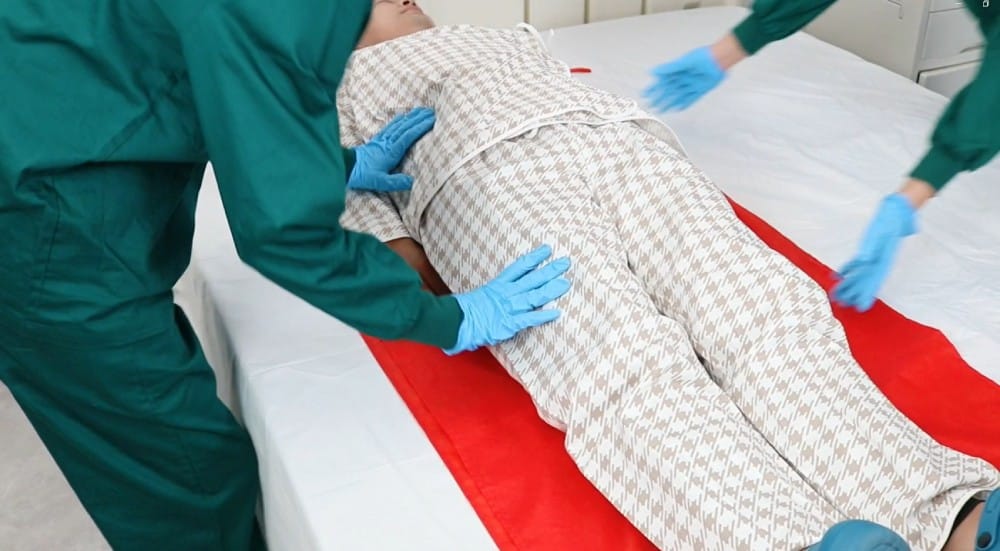
In the world of healthcare, patient mobility is a critical component of care, yet it poses significant risks to both patients and staff. A medical slide sheet—like the SlideMate—is a simple yet transformative tool designed to revolutionize how you transfer and reposition patients. By significantly reducing friction between the patient and the supporting surface, these sheets facilitate smoother movement while minimizing physical strain. Understanding and mastering the correct technique is essential for providing high-quality, safe patient handling (SPH).
Why Proper Technique in Slide Sheet Usage is Crucial
Incorrect usage of a slide sheet doesn't just reduce its efficiency—it can actively increase risks. Poor technique can lead to patient skin damage (such as shear injuries) or accidental slippage. For caregivers, improper handling increases the likelihood of musculoskeletal injuries, particularly in the lower back and shoulders. Mastering the correct operation ensures that every repositioning event is smooth, dignified, and safe.
Basic Principles of Low-Friction Transfers
Modern slide sheets are typically constructed from high-tech, low-friction fabrics (often in a tubular design) that allow layers to glide against each other. When properly positioned, the sheet creates a "frictionless channel," allowing the patient to "slide" with minimal effort rather than being lifted or dragged.
Essential Preparation Checklist:
- Clinical Assessment: Evaluate the patient's weight, level of cooperation, and any specific pain points or skin integrity issues.
- Environmental Safety: Clear the transfer path of any obstacles. Ensure the target surface (e.g., a stretcher or wheelchair) is at the correct height and that all brakes are locked.
- Staff Coordination: Determine the number of caregivers required based on patient dependency. Most transfers require at least two staff members.
- Communication: Explain the process to the patient to reduce anxiety and gain their cooperation.
- Body Mechanics: Maintain a neutral spine, use a wide base of support, and utilize your leg power rather than your back.
Common Clinical Scenarios and Step-by-Step Procedures
Depending on the patient's needs, slide sheets are generally used in three primary ways:
1. Lateral/Horizontal Transfer (Bed to Stretcher)
This is the gold standard for moving a patient between two flat surfaces safely.
The Process:
- Alignment: Position the beds side-by-side, adjust to a workable height, and lock the wheels.
- Insertion:
- Gently log-roll the patient to one side.
- Place the folded or tubular slide sheet under the patient, ensuring it covers the area from the head to below the hips.
- Roll the patient back onto their supine position, centering them on the sheet.
- The Slide:
- Caregivers should stand on either side of the beds.
- Grasp the top layer of the slide sheet. On a coordinated count, use a smooth "pulling" motion to glide the patient onto the target surface, ensuring the head and torso remain aligned.
- Removal: Once the transfer is complete, roll the patient slightly to remove the sheet. Never leave a slide sheet under a patient, as it creates a slip hazard.
2. Repositioning or “Boosting” (Moving Up in Bed)
When patients slide toward the foot of the bed, they require "boosting" to improve respiratory function and comfort.
The Process:
- Setup: Flatten the head of the bed (Trendelenburg position may be used if clinically appropriate) and lower the side rails.
- Positioning: Place the slide sheet under the patient’s midsection and shoulders. If the patient is able, have them bend their knees and place their feet flat on the mattress.
- The Move: Caregivers stand on opposite sides of the bed near the patient's head. By gripping the slide sheet and using a weight-shift motion, glide the patient toward the headboard.
- Removal: Remove the sheet immediately after the desired position is reached.
3. Assisted Turning (Log Rolling for Skin Care)
Slide sheets make frequent turning—essential for pressure ulcer prevention—significantly easier.
The Process:
- Placement: Ensure the slide sheet is centered under the patient’s torso.
- The Turn: Instead of lifting the patient’s weight, use the sheet to "slide" the patient’s hips slightly toward the edge of the bed opposite the direction of the turn. This creates space for the patient to be rolled into the center of the bed rather than against the side rail.
- Support: Once the patient is turned, use pillows to maintain the side-lying position and remove the slide sheet.
Safety Pro-Tips for Caregivers
- The "Two-Person" Rule: For most dependent transfers, never operate alone. Two sets of hands ensure stability.
- Avoid Wrinkles: Ensure the sheet is perfectly flat. Even small wrinkles can cause skin irritation or "shear" over time.
- Prompt Removal: Slide sheets are transfer aids, not bedding. Leaving them under a patient can lead to falls or skin maceration.
- Weight Limits: Always verify that the slide sheet is rated for the patient’s weight, particularly in bariatric care.
By integrating high-quality tools like SlideMate slide sheets into your daily routine and adhering to these best practices, you can significantly enhance patient comfort and protect your staff from injury. Safe patient handling is not just a policy—it’s a commitment to excellence in care.