
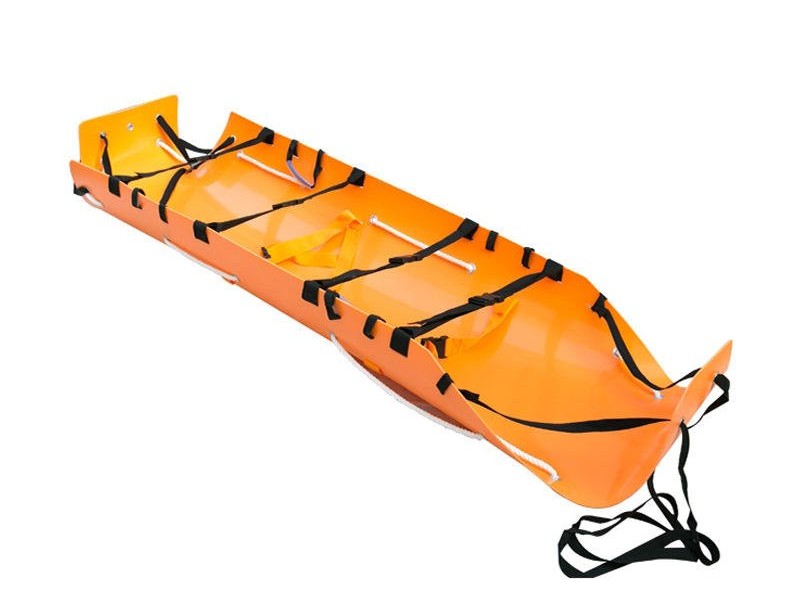
The Critical Role of Soft Stretchers, Tactical Evacuation Aids, and Lightweight Rescue Equipment in Emergency Response
Emergency Medical Services (EMS) teams in the United States work in unpredictable, high-pressure environments—car crashes, wilderness rescues, disaster zones, active-shooter incidents, industrial accidents, and multi-casualty events. In these situations, rapid extraction and safe patient movement are critical to survival.
Evacuation stretchers—especially soft stretchers, flexible rescue litters, and lightweight tactical evacuation devices—play an essential role in these operations. They provide EMS personnel with the ability to move patients quickly, safely, and efficiently through confined spaces, uneven terrain, and hazardous environments.
This article explains how US EMS teams use evacuation stretchers in the field, what features matter most, and why multi-origin manufacturing improves readiness and supply reliability.
I. The Role of Evacuation Stretchers in EMS Response
Evacuation stretchers are designed for speed, maneuverability, and adaptability, especially in environments where traditional rigid stretchers cannot be deployed.
EMS teams use evacuation stretchers for:
- ✔ Rapid extraction from injury scenes
- ✔ Confined-space rescues (stairs, elevators)
- ✔ Wilderness & off-road incidents
- ✔ Mass casualty & disaster response
- ✔ Fire/rescue operations
- ✔ Active-shooter or tactical evacuations
II. Types of Evacuation Stretchers Used in the US
1. Soft Stretchers
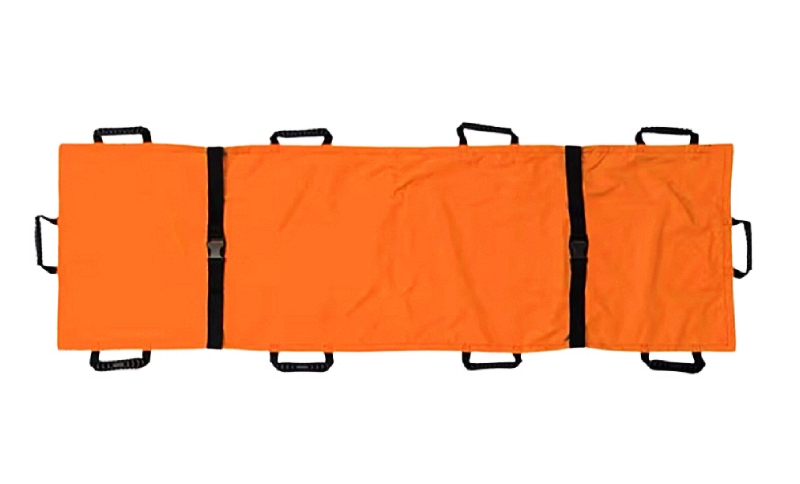
Used In: Ambulances, Fire Dept, SAR
- Lightweight (1–2 kg) & folds small.
- Multiple carry handles.
- Works in tight spaces.
- Very fast deployment.
2. Tactical Evacuation Devices
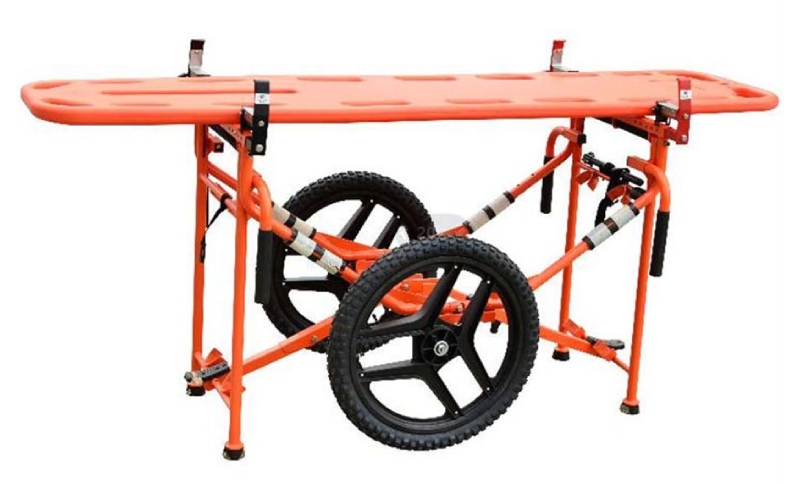
Used In: SWAT, TEMS, Law Enforcement
- Quick-access drag straps.
- Reinforced webbing.
- Low-profile packaging.
- Designed for "Hot Zone" extraction.
3. EMS Evacuation Litters
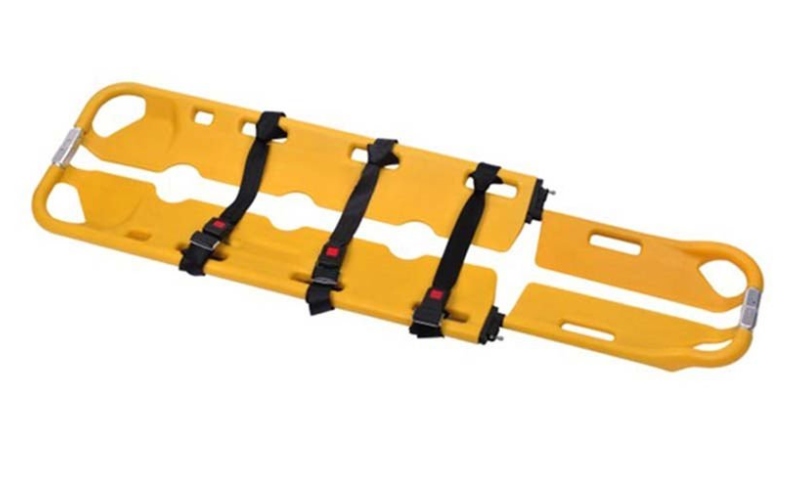
Used In: Wilderness, Industrial
- Semi-rigid or reinforced design.
- Stable on uneven terrain.
- Compact but structural.
4. Waterproof Stretchers
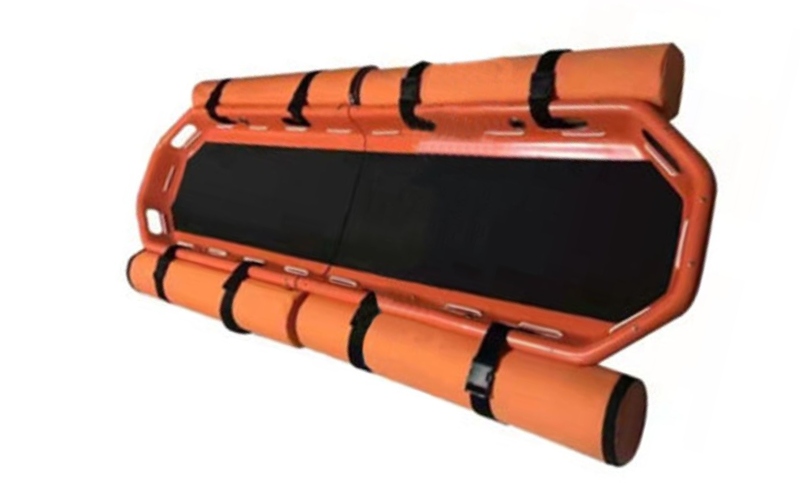
Used In: Water Rescue, Flood, Snow
- Hypothermia-resistant.
- Waterproof coating (TPU/PVC).
- Provides insulation.
III. Key Features EMS Teams Look For
US EMS agencies consistently prioritize the following features when evaluating evacuation stretchers:
- 1. Strength & Load Capacity
Must handle 400–600 lbs (bariatric capable) with verified tensile testing and reinforced stitching. - 2. Multiple Carry Handles
Essential for 2, 4, or 6+ person teams. More handles = more flexibility in chaotic environments. - 3. Lightweight & Compact
Must weigh under 3–4 lbs and fold into backpack-size kits. Space is premium in ambulances. - 4. Durability & Material Resistance
Abrasion-resistant fabrics (420D–1680D Nylon) that withstand concrete, gravel, and fluids. - 5. Rapid Deployment
One-motion deployment. No assembly, no rods, no complex buckles. Speed is everything.
IV. How EMS Teams Use Them in Real Field Environments
Confined-Space Extraction
Soft stretchers shine in small bathrooms, staircases, and elevators where rigid stretchers fail to fit.
Multi-Terrain Carrying
Flexible stretchers adapt to gravel, mud, snow, and steep slopes while keeping the patient secure.
Tactical Response
Allows dragging under fire and low-profile extraction from "Hot Zones" to safety.
Mass Casualty (MCI)
Lightweight and cost-effective, allowing high-volume availability for rapid casualty movement.
Conclusion
As EMS demand grows and operational risks rise, US distributors require manufacturers who can provide high-performance designs, proven testing, and multi-origin production. This is why many partners view Yearstar’s unified manufacturing network as a strong option to enhance their EMS supply-chain resilience.
Equip Your EMS Network with Reliability
Contact us for load-test reports, samples, and multi-origin sourcing options.