
Maintaining healthy skin is a cornerstone of clinical care, particularly for patients with limited mobility or incontinence. The skin serves as the body’s primary defense against pathogens; however, when that barrier is compromised, the risk of pressure injuries, painful maceration, and systemic infections rises exponentially. While often viewed as a basic utility, high-quality underpads play a sophisticated and vital role in Safe Patient Handling (SPH). This post explores how advanced underpad technology protects skin integrity and supports infection control protocols.
1. Understanding the Mechanics of Skin Breakdown
Skin breakdown is a progressive damage to the skin layers that can range from minor irritation to deep-tissue pressure ulcers. In a healthcare setting, four primary "enemies" contribute to this breakdown:
- Moisture & Maceration: Constant exposure to urine, sweat, or wound exudate softens the skin (maceration), making it fragile and easily damaged.
- Microclimate Management: The temperature and humidity at the skin-surface interface. Poor airflow leads to "heat traps" that accelerate tissue decay.
- Friction and Shear: The mechanical force of skin rubbing against bedsheets (friction) or the internal stretching of tissue during repositioning (shear).
- Pressure: Sustained pressure on bony prominences that restricts blood flow.
2. How Advanced Multi-Layer Underpads Combat Moisture
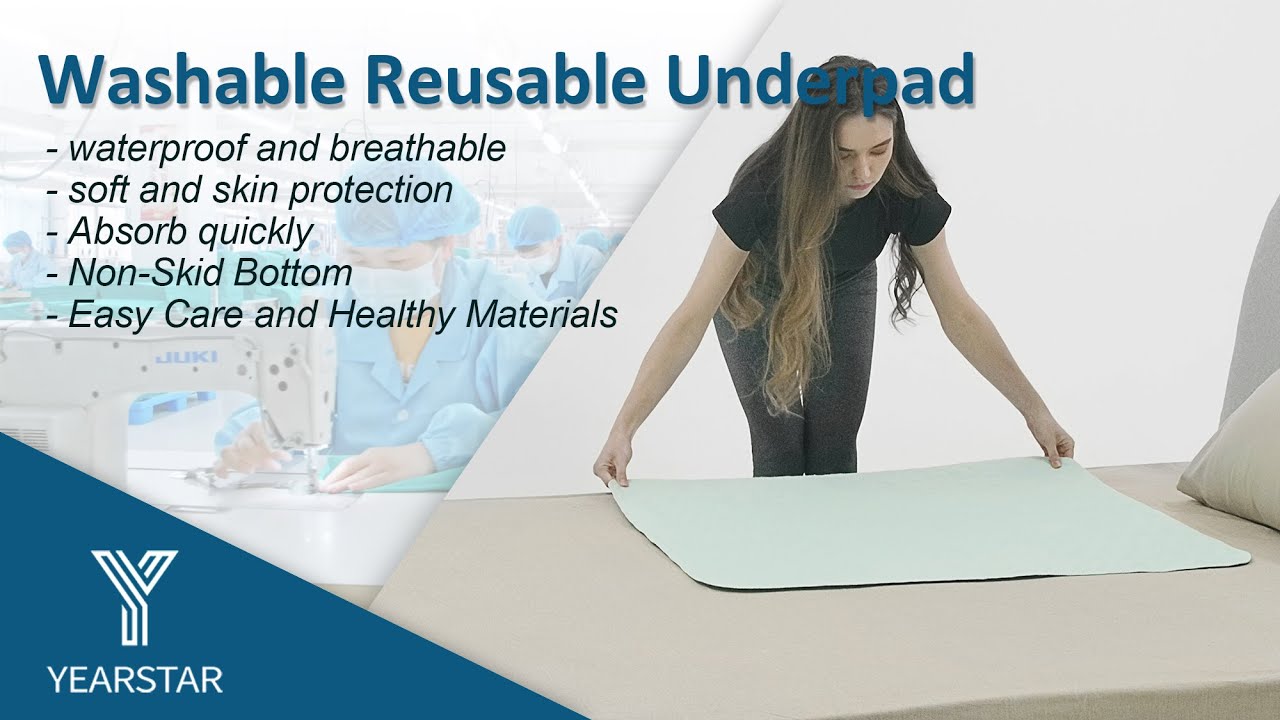
Our reusable underpads are engineered with a professional-grade triple-layer system designed for Microclimate Management, ensuring both skin integrity and superior surface protection.
The Triple-Layer Defense:
- 1. Soft Quilted Top Sheet (100% Polyester):
A soft-touch surface designed to provide maximum comfort. This layer instantly wicks moisture away to effectively minimize skin irritation and maintain a dry environment. - 2. High-Density Absorbent Core (Needle-Punched Polyester):
The needle-punched fiber construction offers maximum absorbency and exceptional liquid retention, locking fluids deep inside the synthetic core. - 3. Waterproof Bottom Barrier (TPU or PVC):
Ensures a 100% leak-proof shield for beds and furniture.- TPU Option: Provides high breathability, allowing air circulation while remaining waterproof.
- PVC Option: Offers heavy-duty, industrial-strength waterproof performance.
Specifications Summary:
| Layer | Material Composition |
|---|---|
| Top Layer | Soft Quilted 100% Polyester |
| Absorbent Layer | High-Density Needle-Punched Polyester |
| Waterproof Layer | Breathable TPU or Durable PVC |
3. Infection Prevention: Beyond Surface Protection
The relationship between underpads and infection control is direct and evidence-based. By maintaining a dry environment, underpads disrupt the cycle of infection in several ways:
- Inhibiting Pathogen Growth: Warm, moist environments are breeding grounds for bacteria and fungi. By removing the moisture, underpads create a hostile environment for microorganisms.
- Preserving the "Acid Mantle": Intact skin has a slightly acidic pH that kills bacteria. Macerated skin loses this protective acidity; underpads help keep the skin’s natural defenses active.
- Containing Contaminants: High-absorbency pads lock in fecal matter and urine, preventing the spread of contaminants across bed linens and reducing the risk of cross-contamination during linen changes.
- Optimizing Staff Protocols: Disposable, high-capacity pads allow for quicker, cleaner disposal of biohazardous waste, supporting hospital-wide infection control standards.
4. Clinical Benefits: Friction Reduction and Efficiency
While moisture management is the primary goal, high-performance underpads offer additional benefits for caregivers:
- Shear Protection: Premium underpads often feature a low-friction top surface that allows the patient to glide slightly during repositioning, reducing the "drag" on fragile skin.
- Surface Longevity: By preventing fluid strike-through, underpads protect expensive pressure-redistribution mattresses from degradation and odors.
5. Who Benefits Most from High-Absorbency Protection?
Underpads are a critical component of care for specific high-risk populations, including:
- Incontinence Management: Patients dealing with urinary or fecal incontinence.
- Post-Surgical Recovery: Individuals with wound drainage or limited mobility.
- Bariatric Care: Where skin folds and increased weight make moisture management and repositioning more challenging.
- Elderly & Palliative Care: Patients with "tissue paper" skin that is highly susceptible to tearing.
6. Best Practices for Caregivers
To maximize the clinical efficacy of absorbent pads, follow these SPH (Safe Patient Handling) guidelines:
- Check Frequently: Even with superabsorbent technology, pads should be inspected regularly and changed immediately after a major incontinent event.
- Size Matters: Ensure the pad is large enough to cover the "impact zone" from the mid-back to the mid-thigh.
- Avoid Over-Layering: Never use multiple underpads (stacking). This can create heat traps and interfere with the pressure-relieving properties of the mattress.
Conclusion: Small Tool, Massive Impact
In the complex environment of a hospital or long-term care facility, the underpad is a vital safeguard. By effectively managing the skin’s microclimate and moisture levels, these tools prevent painful complications and support the body's natural defenses. Integrating high-performance underpads into your daily care routine is a simple, cost-effective strategy to improve patient outcomes and uphold the highest standards of safety.