
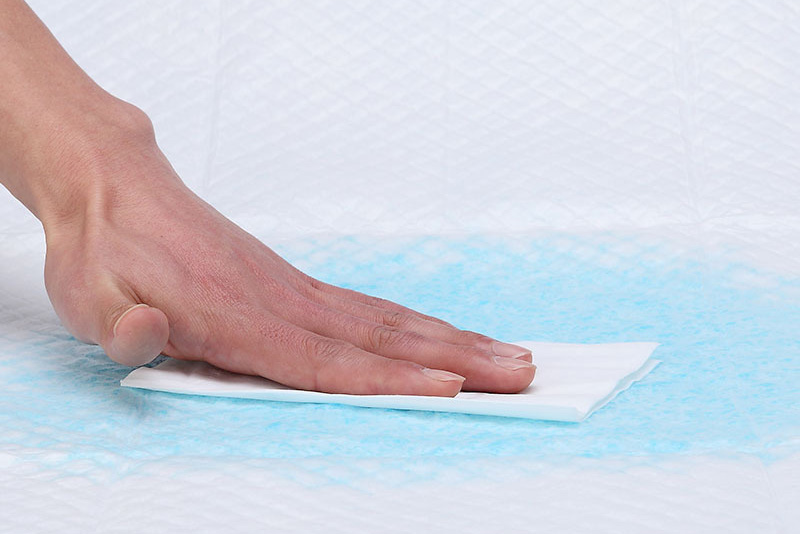
Incontinence is a common challenge faced by many individuals, impacting their comfort, confidence, and skin health. Effective incontinence management is crucial for maintaining dignity and preventing complications. While various products exist, the humble underpad stands out as a simple yet highly effective tool. Often placed on beds, chairs, or other surfaces, underpads provide a protective layer that offers numerous benefits for individuals managing incontinence. Here are the top 5 benefits of incorporating underpads into your incontinence management strategy.
1. Keeps Skin Dry and Healthy
One of the most significant risks associated with incontinence is prolonged exposure of the skin to moisture. Urine and feces contain irritants that can quickly lead to skin redness, irritation, and ultimately, breakdown (such as dermatitis or pressure ulcers). Underpads are designed with absorbent cores that quickly wick moisture away from the skin and trap it within the pad. This helps to keep the skin surface drier, reducing the risk of maceration and maintaining the skin's natural barrier function against irritation and infection. For individuals managing incontinence, keeping the skin dry is paramount for comfort and preventing painful complications.
Extended Tips: Choose underpads with a soft, breathable top sheet (often made of polypropylene or cotton blend) to enhance comfort. Look for pads that have a high absorbency rating (e.g., 5–8 cups of liquid) and a quick-dry layer to further reduce moisture contact. For individuals who are bedridden or have limited mobility, consider changing the underpad every 2–4 hours, or more frequently if wet, to minimize skin exposure. Additionally, using a barrier cream or ointment (like zinc oxide) in conjunction with the underpad can provide extra protection against irritation.
2. Protects Surfaces from Damage and Odor
Incontinence episodes can damage mattresses, furniture, and flooring, leading to stains, odors, and costly replacements. Underpads provide a reliable waterproof barrier that prevents liquids from seeping through to the underlying surface. This protection is invaluable in preserving the integrity and lifespan of bedding, chairs, wheelchairs, and other furniture in homes, hospitals, and care facilities. By containing the mess, underpads also help to prevent lingering odors, contributing to a fresher and more pleasant environment for the individual and their caregivers.
Extended Tips: Look for underpads with a leak-proof polyurethane (PU) or polyethylene (PE) backing. Some reusable underpads feature a quilted waterproof layer that remains soft and quiet, avoiding the crinkly noise that can be embarrassing. To further minimize odors, consider underpads infused with activated charcoal or baking soda, which help neutralize ammonia smells. For caregivers, placing a small, open box of baking soda near the bed or chair can also absorb residual odors. Always air out the room regularly to reduce humidity.
3. Facilitates Easier and Quicker Cleanup
Managing incontinence can involve frequent cleanup. Underpads significantly simplify this process. When an incontinence episode occurs, the underpad contains the liquid, making it much easier and quicker to clean up compared to dealing with soiled linens or upholstery directly. For disposable underpads, cleanup involves simply removing the soiled pad and replacing it with a fresh one. For reusable pads, the pad is removed and laundered. This efficiency saves time and effort for caregivers and reduces the disruption to the individual's routine.
Extended Tips: For disposable underpads, choose sizes that cover a generous area (e.g., 23x36 inches) to minimize the risk of leaks onto the mattress. Place the pad with the white absorbent side facing up and the blue waterproof side down. For reusable underpads, wash them separately from other laundry using hot water and a fragrance-free, hypoallergenic detergent. Avoid using fabric softeners, as they can reduce absorbency. Always follow the manufacturer's instructions for drying—some can be tumble-dried on low, while others should be air-dried to preserve the waterproof backing.
4. Enhances Comfort and Dignity
Feeling wet or soiled can be uncomfortable and embarrassing for individuals with incontinence, impacting their sense of dignity. Underpads help enhance comfort by quickly absorbing moisture, reducing the feeling of wetness against the skin. The ability to quickly and discreetly manage incontinence episodes using an underpad also contributes to a greater sense of dignity and independence. Knowing that surfaces are protected can reduce anxiety about potential accidents, allowing individuals to feel more comfortable and secure in their environment.
Extended Tips: For maximum comfort, look for underpads with a soft, cloth-like top layer that feels gentle against fragile skin. Some brands offer “ultra-thin” designs that are less bulky and more discreet when placed on a chair or wheelchair. For individuals who are mobile, consider using smaller, contoured underpads specifically designed for seating (e.g., 17x24 inches) that stay in place without bunching. Additionally, using a waterproof mattress cover underneath the underpad provides an extra layer of protection and can reduce the need for frequent pad changes, enhancing the user’s sense of security.
5. Reduces Risk of Cross-Contamination
Proper hygiene and infection control are critical when managing incontinence. Underpads, particularly disposable varieties, play a role in reducing the risk of cross-contamination. By containing bodily fluids, they minimize the direct contact of contaminated materials with surfaces and reduce the spread of bacteria. Quick removal and disposal of soiled pads help to isolate potential sources of infection. For reusable pads, following strict laundering and disinfection protocols is essential to maintain this benefit.
Extended Tips: Always wash your hands thoroughly before and after handling soiled underpads. For reusable pads, consider using a laundry sanitizer (like those containing hydrogen peroxide or chlorine bleach—if the fabric allows) during the wash cycle. Store clean underpads in a dry, covered container away from moisture. In healthcare settings, disposable underpads are often preferred to avoid the risk of cross-contamination from inadequate washing. For home use, having a dedicated hamper with a lid for soiled pads can help contain odors and germs. Remember to change the underpad immediately after an incontinence episode to prevent bacteria from multiplying.
Conclusion: Simple, Effective, Essential
Underpads are a simple yet incredibly effective tool in the comprehensive management of incontinence. They offer a range of benefits, from the crucial protection of skin health by managing moisture to the practical advantages of protecting surfaces, simplifying cleanup, and enhancing comfort and dignity. By incorporating underpads into incontinence care routines, caregivers and individuals can significantly improve hygiene, reduce complications, and maintain a higher quality of life. They are a truly essential component in creating a safe, comfortable, and dignified environment for those living with incontinence.
Disclaimer: This content is for informational purposes only and does not replace professional medical advice. Always consult your healthcare provider for personalized incontinence management strategies.