
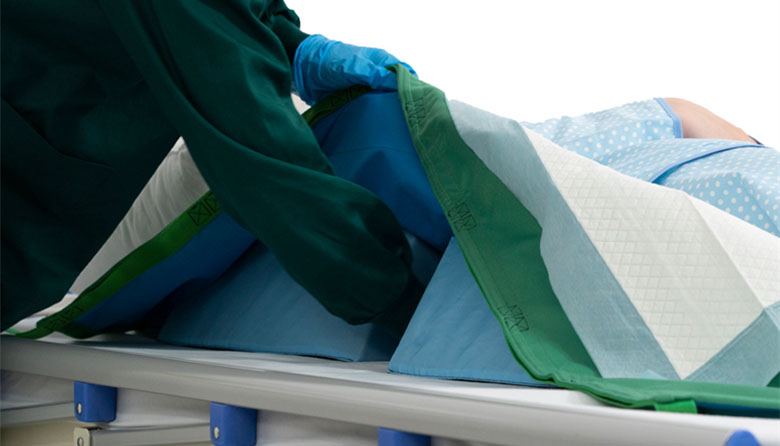
Undergoing surgery is a significant event, and the recovery period is crucial for healing and getting back on your feet. One often overlooked yet incredibly helpful tool for post-operative comfort and recovery is the wedge pillow. Its simple inclined design can provide significant relief and support, making your recovery smoother and more comfortable. This post will explore the many benefits of using a wedge pillow after surgery and why it should be a key part of your recovery plan.
1. The Importance of Proper Rest and Positioning After Surgery
Following surgery, your body needs ample rest to heal. Proper positioning is also vital to minimize pain, reduce swelling, and promote circulation. Finding a comfortable position in bed can be challenging, especially with incisions, drainage tubes, or tender surgical sites. Many patients end up propping themselves up with multiple pillows that shift during the night, causing discomfort and disrupted sleep. This is where the wedge pillow shines: it provides a stable, gradual incline that supports your body uniformly, preventing the awkward slumping that often occurs with regular pillows. Proper elevation not only reduces stress on sutures but also helps drain fluids away from the incision, speeding up the healing process.
2. How Wedge Pillows Aid Post-Surgery Recovery
Wedge pillows offer a multitude of benefits that can significantly enhance your post-operative recovery:
- Elevates the Upper Body: This is particularly beneficial after abdominal or chest surgeries as it can reduce strain on incisions and make it easier to get in and out of bed. It also helps with breathing and can alleviate acid reflux, a common issue after anesthesia. The gentle incline keeps the airway open, which is crucial for patients who experience post-operative nausea or respiratory discomfort.
- Reduces Swelling (Edema): Elevating the affected body part is crucial for reducing swelling after many types of surgery. A wedge pillow can effectively elevate legs after foot or leg surgery, or the upper body after certain procedures. By using gravity to your advantage, you can minimize fluid accumulation around the surgical site, which in turn reduces pain and speeds up tissue repair.
- Promotes Better Circulation: Gentle elevation can improve blood flow, which is essential for healing and preventing complications like blood clots (deep vein thrombosis). Improved circulation also delivers oxygen and nutrients to the surgical area more efficiently.
- Eases Breathing: After surgeries, especially those involving anesthesia or the chest area, breathing can be more difficult. A wedge pillow helps to keep airways open, promoting easier and more comfortable breathing. For patients who have undergone nasal or throat surgery, this elevation can significantly reduce swelling and make breathing through the night much easier.
- Provides Comfortable Support: Finding a comfortable position to sleep or rest in can be a challenge post-surgery. A wedge pillow offers consistent and supportive elevation, allowing you to relax and heal more effectively. Its firm, sculpted design prevents the “flat pillow syndrome” that often leads to neck or back strain.
- Reduces Pain and Discomfort: By providing support and reducing strain on surgical sites, a wedge pillow can help to alleviate pain and discomfort. Many patients report needing fewer pain medications when they can rest in a properly elevated position.
3. Specific Surgical Procedures Where Wedge Pillows Can Help
Wedge pillows can be particularly beneficial after a variety of surgical procedures, including:
- Abdominal Surgery (e.g., appendectomy, hernia repair, gastric bypass): Elevating the upper body can reduce pressure on the incision and make movements like sitting up or turning less painful. It also helps prevent acid reflux and facilitates deeper breathing.
- Shoulder Surgery (e.g., rotator cuff repair, shoulder replacement): Sleeping at an incline can help to keep the shoulder in a more comfortable and supported position, reducing the risk of rolling onto the affected side during the night.
- Breast Surgery (e.g., mastectomy, augmentation, reduction): Elevating the upper body can reduce swelling and pressure on the surgical area, and also helps minimize the risk of seroma (fluid accumulation).
- Facial Surgery (e.g., rhinoplasty, facelift, blepharoplasty): Keeping the head elevated can help to minimize swelling and bruising around the eyes and face, leading to a faster cosmetic recovery.
- Back Surgery (e.g., spinal fusion, laminectomy): Finding a comfortable position that doesn't strain the back is crucial. A wedge pillow can help achieve this by supporting the natural curve of the spine when lying on your back, or by elevating the legs when lying on your side.
- Foot and Leg Surgery (e.g., fracture repair, ACL reconstruction, bunionectomy): Elevating the legs with a wedge pillow helps to reduce swelling and pain. For lower extremity surgeries, elevating the leg above the heart is often recommended to minimize edema.
- Gynecological Surgery (e.g., hysterectomy, C-section): Elevating the upper body can relieve pressure on the abdomen and make breastfeeding or caring for a newborn more comfortable.
4. Choosing the Right Wedge Pillow for Post-Surgery Recovery
Consider these factors when selecting a wedge pillow for your post-operative needs:
- Incline Angle and Height: The ideal angle will depend on the type of surgery and your comfort level. A moderate incline (around 7-12 inches in height) is often a good starting point. For leg elevation, a lower incline (5-7 inches) may suffice; for upper body support after chest surgery, a higher incline (12-15 inches) might be more effective. Some wedge pillows come in adjustable or multi-piece designs that allow you to customize the angle.
- Firmness: Choose a pillow that offers firm support to prevent sinking and maintain the desired elevation. Memory foam with a medium-firm density provides a good balance of comfort and support. Avoid pillows that are too soft, as they can compress under your weight and lose their therapeutic benefit.
- Size (Width and Length): Ensure the pillow is wide enough to comfortably support your upper body or legs as needed. A width of 24–30 inches is standard for upper body use, while a larger size (30+ inches) may be needed for broader shoulders or for leg elevation.
- Material and Cover: Consider breathable and easy-to-clean materials. Memory foam can provide contoured comfort, while firmer foam offers more support. Look for a removable, machine-washable cover – especially important post-surgery when hygiene is critical. Also consider hypoallergenic options to avoid any allergic reactions.
- Special Features: Some wedge pillows include a cutout for the tailbone (for hemorrhoid recovery) or an adjustable strap for leg elevation. If your recovery involves multiple positions, a modular system with separate pieces may be worth the investment.
5. Tips for Using a Wedge Pillow During Recovery
Here are some tips to maximize the benefits of your wedge pillow during your recovery:
- Position it Correctly: Ensure the pillow is placed to provide support and elevation to the specific area recommended by your doctor. For upper body, place the pillow under your head and shoulders, not just your head. For leg elevation, place the pillow under your calves, allowing your heels to rest off the edge.
- Use it Consistently: Use the wedge pillow for both sleeping and resting to maintain consistent elevation. Even short naps on a flat surface can undo some of the swelling reduction you've achieved.
- Combine with Other Pillows: You may need additional pillows for neck support or to further customize your position. A small contoured pillow under your knees can help prevent lower back strain when lying on your back.
- Follow Your Doctor's Instructions: Always adhere to your surgeon's specific post-operative instructions regarding positioning. Some surgeries may require avoiding certain angles or positions, so never substitute a wedge pillow for medical advice.
- Introduce Gradually: If you are not used to sleeping at an incline, start with a lower height and gradually increase as your body adapts. This can prevent neck stiffness or discomfort.
- Safety First: Ensure the wedge pillow is placed on a stable, non-slip surface. If you have mobility issues, ask a caregiver to help you adjust your position. Never use a wedge pillow for a baby or infant – they are designed only for adults.
6. Conclusion: Enhance Your Healing Journey with a Wedge Pillow
Recovering from surgery takes time and patience. By incorporating a wedge pillow into your rest routine, you can significantly enhance your comfort, reduce pain and swelling, and promote better healing. This simple yet effective tool can make a real difference in your post-operative experience, allowing you to focus on getting back to your healthy self. Consider adding a wedge pillow to your pre-surgery shopping list and make your recovery as comfortable as possible. With the right angle, firmness, and consistent use, a wedge pillow can be one of the most practical investments you make for a smoother, faster recovery.
Disclaimer: This content is for informational purposes only and does not replace professional medical advice. Always consult your surgeon or healthcare provider before using any recovery aid after surgery.